
Pigmentation Problems? What’s Causing It and How to Care for Your Skin Naturally!
Ever noticed those stubborn dark spots or uneven skin tone that just won’t go away? Pigmentation can show up in different forms, from sunspots to melasma, leaving the skin looking dull and uneven. Understanding what causes it and how to care for your skin can help you get a more even, radiant look. Let’s dive into the details!
What is Pigmentation?
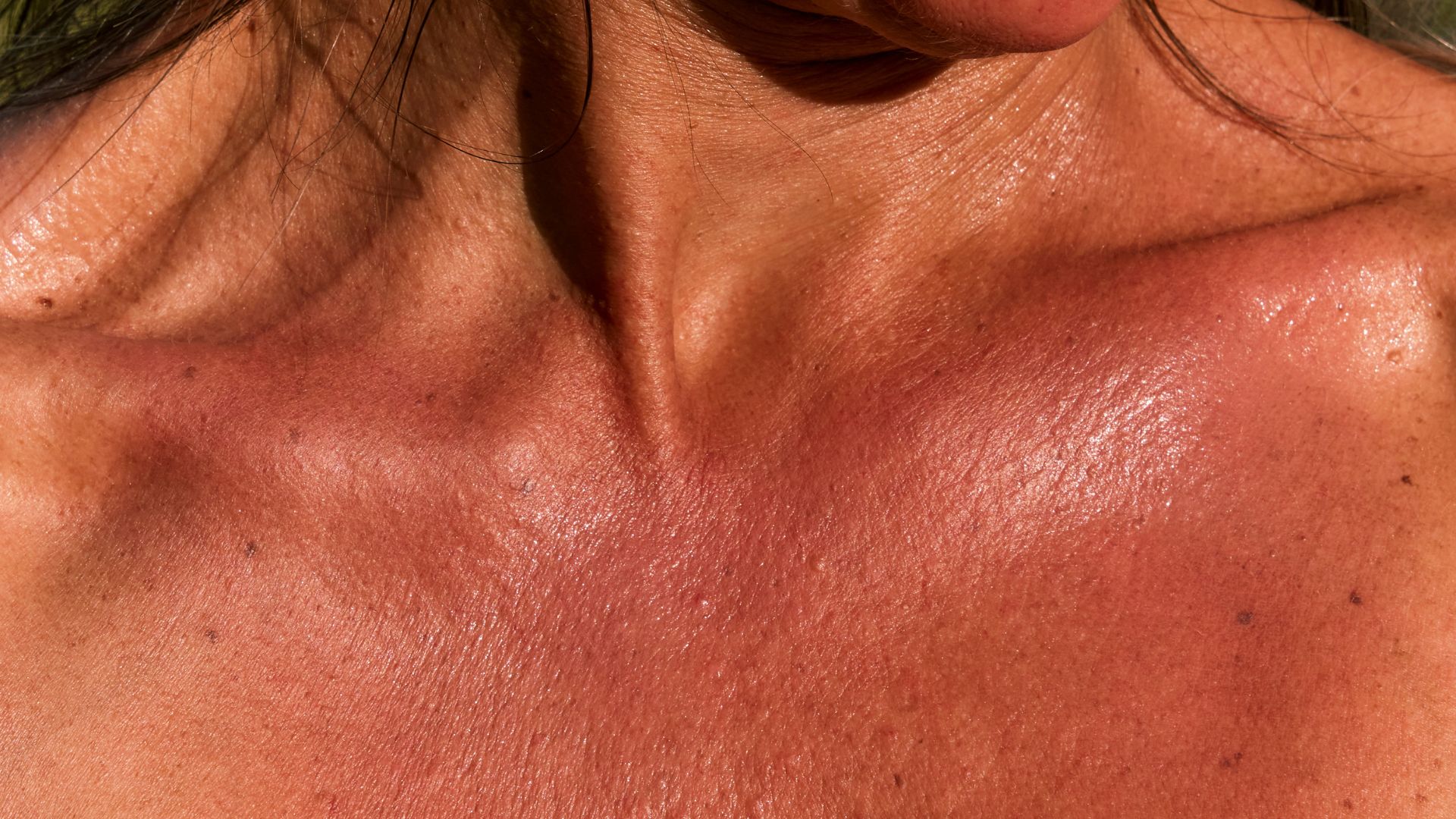
Pigmentation occurs when melanin, the pigment responsible for skin color, is produced in excess. This leads to darker patches or uneven skin tone. Pigmentation is usually harmless, but it can affect one’s confidence.
Top Causes of Pigmentation:
1] Sun Exposure:
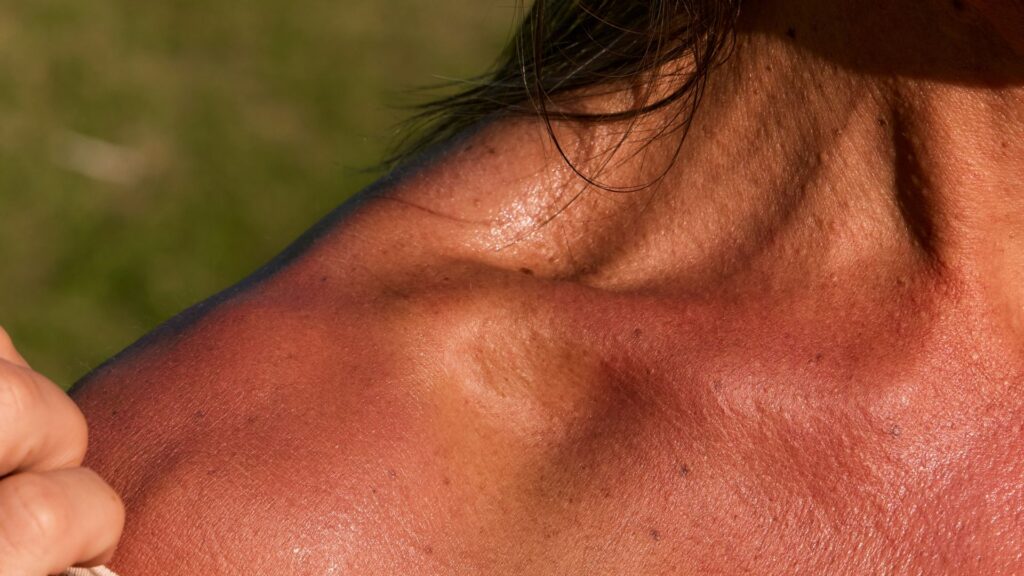
Prolonged exposure to UV rays triggers the production of melanin as a protective barrier, leading to sunspots and tanning. Over time, this results in hyperpigmentation.
2] Hormonal Changes:
Hormonal fluctuations during pregnancy, menopause, or due to birth control pills can cause melasma, a type of pigmentation that appears as dark patches on the face.
3] Post-Inflammatory Hyperpigmentation (PIH):
Acne scars, skin injuries, or inflammation can leave behind dark spots, leading to pigmentation after the skin heals.
4] Harsh Skincare Products:
Using harsh chemicals, bleach, or irritants can disrupt the skin’s natural barrier, causing irritation and resulting in pigmentation over time.
5] Aging and Oxidative Stress:
As we age, melanin production becomes uneven, leading to age spots and uneven skin tone. Oxidative stress further accelerates skin damage.
6] Medical Conditions:
Some health conditions and certain medications can also contribute to pigmentation. If you notice sudden or unusual changes in your skin, see a dermatologist.
Types of Pigmentation:
1] Melasma: Hormone-induced patches, usually on the cheeks, forehead, and upper lip.
2] Sunspots (Solar Lentigines): Caused by prolonged sun exposure, often appearing on areas exposed to sunlight.
3] Freckles: Small brown spots that often become more pronounced with sun exposure.
4] Post-Inflammatory Hyperpigmentation (PIH): Dark spots that appear after acne, eczema, or skin injury.
Ayurveda’s Take on Pigmentation:
In Ayurveda, pigmentation is linked to an imbalance in Pitta Dosha, which governs heat in the body. Excess Pitta, aggravated by sun exposure, stress and poor diet, is traditionally believed to show up on the skin.
Natural Ways to Care for Pigmented Skin:
1] Kumkumadi Tailam: The Golden Elixir for Skin:
A powerful Ayurvedic oil enriched with saffron, sandalwood, and other herbs, Kumkumadi Tailam is traditionally used to nourish the skin for a smoother, more radiant-looking complexion. Apply it overnight.
2] Lemon and Honey Mask:
Honey is a traditional moisturiser. Lemon juice can irritate the skin and increase sun sensitivity, so patch-test first, dilute it well, and avoid sun exposure afterwards.
3] Aloe Vera Gel for Soothing and Repair:
Aloe vera is traditionally used in Ayurvedic skin care to soothe the skin and help it look more even. Apply aloe vera gel to the skin daily.
4] Turmeric (Haldi) Face Pack:
Turmeric has been used in Ayurvedic beauty rituals for generations. Mix turmeric with curd and apply it as a face mask to help the skin look brighter and more even.
5] Chandan (Sandalwood) Paste:
Sandalwood has a cooling feel and is traditionally used in Ayurveda to balance Pitta, for a fresh, glowing look. Apply a paste of sandalwood powder with rose water and leave it on for 15 minutes.
Daily Habits to Protect Your Skin:
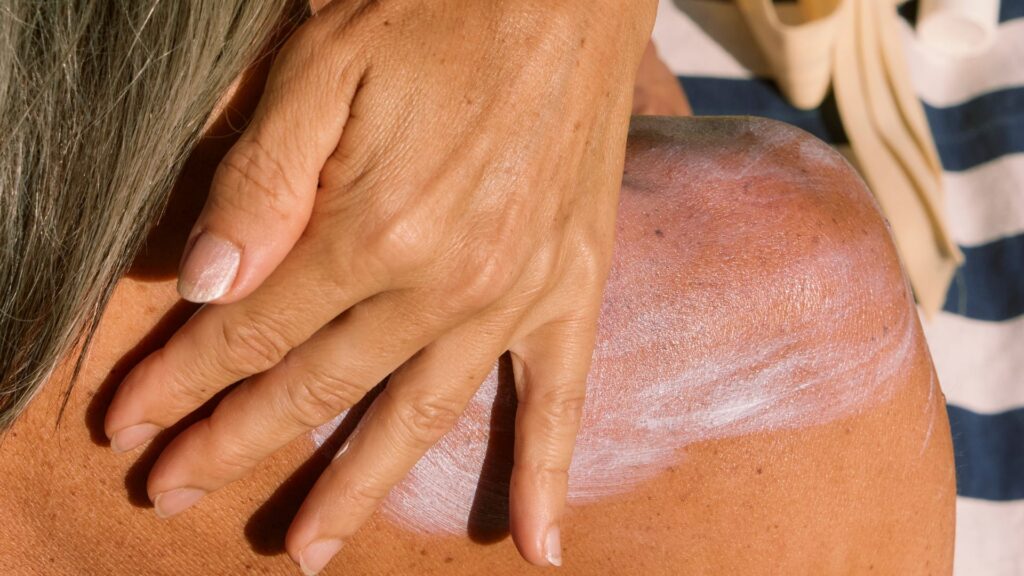
1] Use Sunscreen Religiously: Always apply broad-spectrum sunscreen (SPF 30 or higher) before stepping out.
2] Hydrate and Nourish Skin: Keep your skin hydrated to maintain its natural barrier.
3] Follow a Pitta-Pacifying Diet: Include cooling foods like cucumber, watermelon, and mint to balance internal heat.
4] Avoid Harsh Chemicals: Opt for gentle, natural skincare products that nourish rather than irritate the skin.
Traditional Ayurvedic Practices for Pigmentation:
1] Udvartanam (Dry Powder Massage): Gently exfoliates for a brighter-looking complexion.
2] Lepa: Application of herbal pastes to the skin, a traditional Ayurvedic beauty practice.
3] Panchakarma: A traditional Ayurvedic cleansing programme, done only under a qualified practitioner.
Glow Naturally, Say Goodbye to Pigmentation!
Pigmentation may seem stubborn, but with consistent care you can work towards a more even-toned look. Gentle Ayurvedic skin care, sun protection and a balanced lifestyle all help. Remember, patience and consistency are key, and see a dermatologist for persistent or sudden changes.
Ready to give your skin some gentle care? Try these tips and let your skin shine naturally!
This article is for general information and is not a substitute for medical advice. Consult a qualified practitioner. Read our medical disclaimer.
Related posts
Glow Naturally: Unveiling the Skin-Loving Benefits of Cold-Pressed Castor Oil
Cold-pressed castor oil, a time-honoured Ayurvedic ingredient, has long been valued for skin and hai
Neem in Skin Care and Beautification
Elevate Your Skincare Routine with Neem: Nourish, Rejuvenate, and Shine from Within In the heart of

Balguti: The Time-Tested Herbal Secret Every Parent Should Know!
Because your baby deserves care rooted in tradition. A Tradition Every Parent Knows Becoming a paren

Understanding Moon Phases in Ayurveda: A Guide to Aligning with Lunar Energies
In Ayurveda, the ancient Indian system of wellness, the cycles of nature are deeply revered and seen